
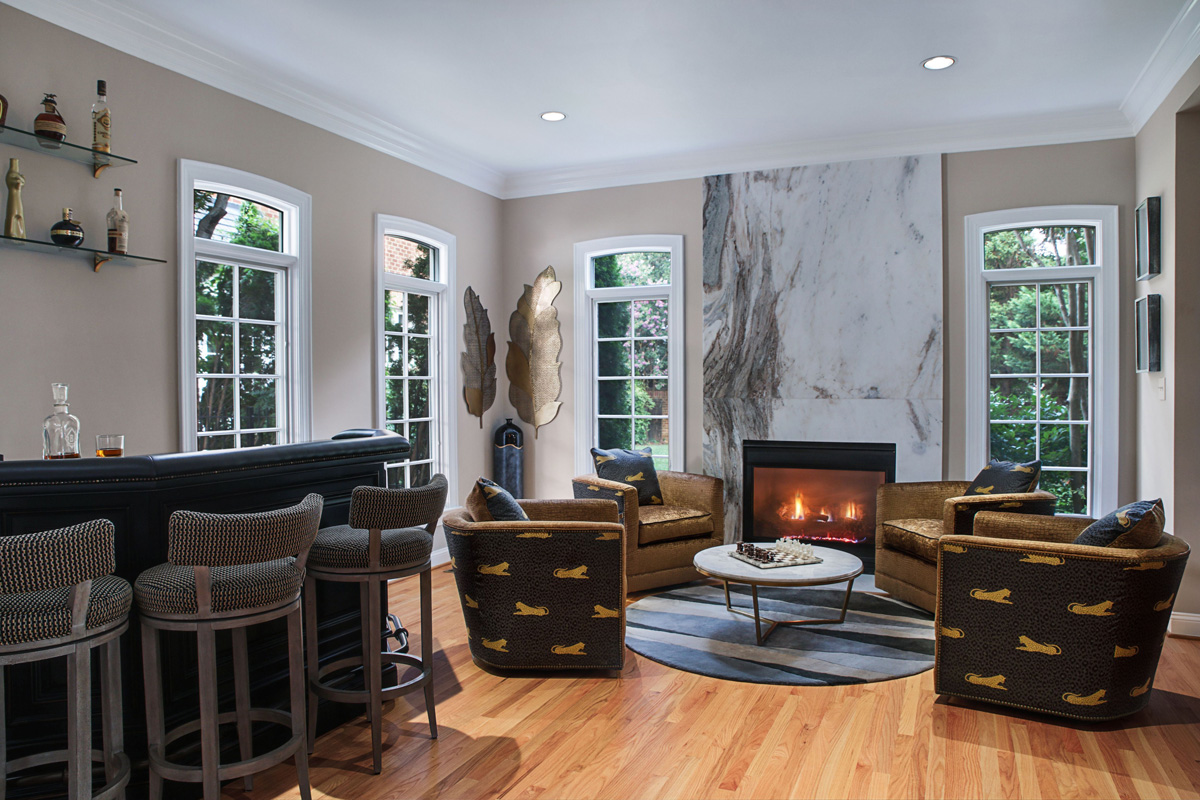
Mixing patterns in interior design is one of the most effective ways to create a layered, visually interesting, and professionally designed space. When done correctly, combining different textiles, colors, and patterns can elevate a room from ordinary to extraordinary. This guide will walk you through how to mix patterns in your home with confidence while maintaining balance and harmony.
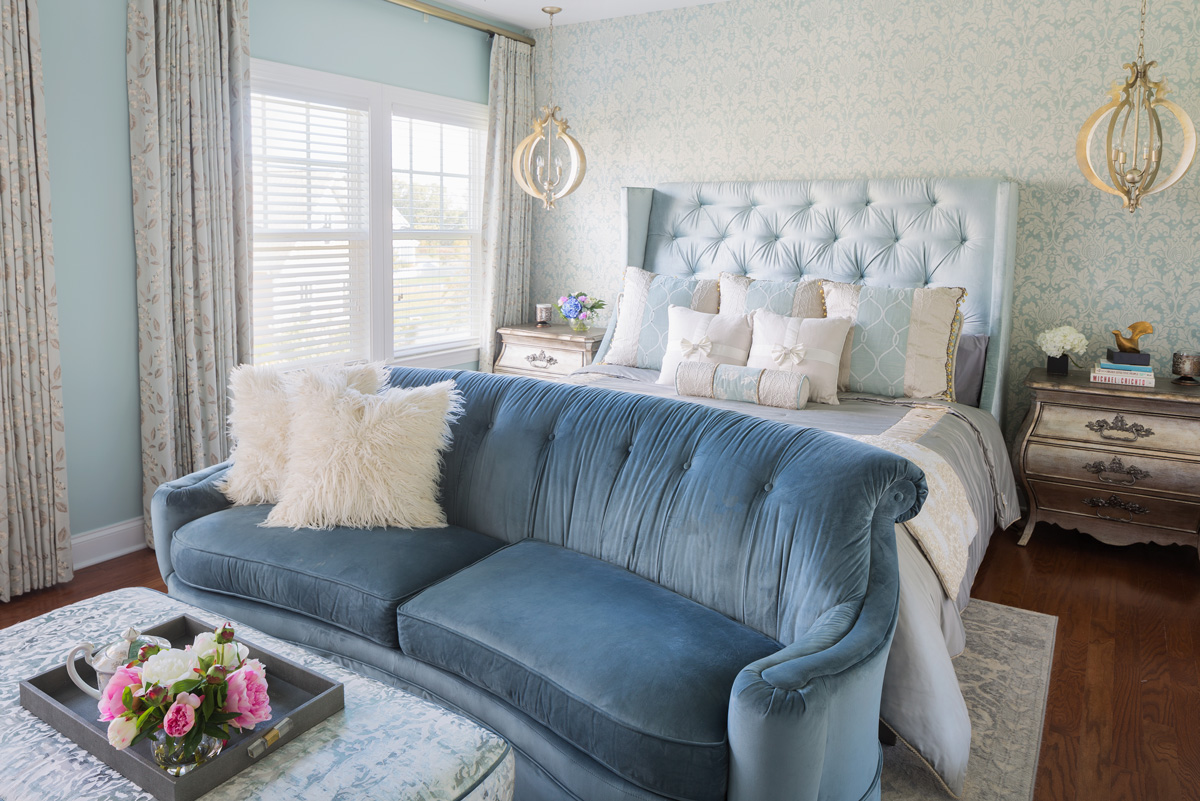
Choosing the Right Patterns for Your Interior Design
Vary the Scale of Patterns
One of the most important interior design principles when mixing patterns is scale variation. Using patterns of different sizes creates contrast and prevents the room from feeling flat.
- Large-scale patterns work best on statement pieces like sofas, sectionals, or area rugs
- Medium-scale patterns are ideal for curtains, accent chairs, or upholstered benches
- Small-scale patterns shine on decorative accents such as throw pillows, cushions, and blankets
This approach adds depth while keeping your interior design cohesive.
Mix Different Pattern Types
To achieve a designer look, combine various pattern styles such as:
- Floral patterns
- Geometric patterns
- Stripes
- Plaids or checks
Mixing pattern types adds personality and visual interest, making your space feel curated rather than predictable.
Let Patterns Breathe
When using a bold patterned fabric on upholstery, balance it with solid fabrics nearby. Pairing patterns with plain textiles helps highlight key design elements and keeps the space from feeling overwhelming.
Create a Cohesive Color Palette
Stick to a Limited Color Scheme
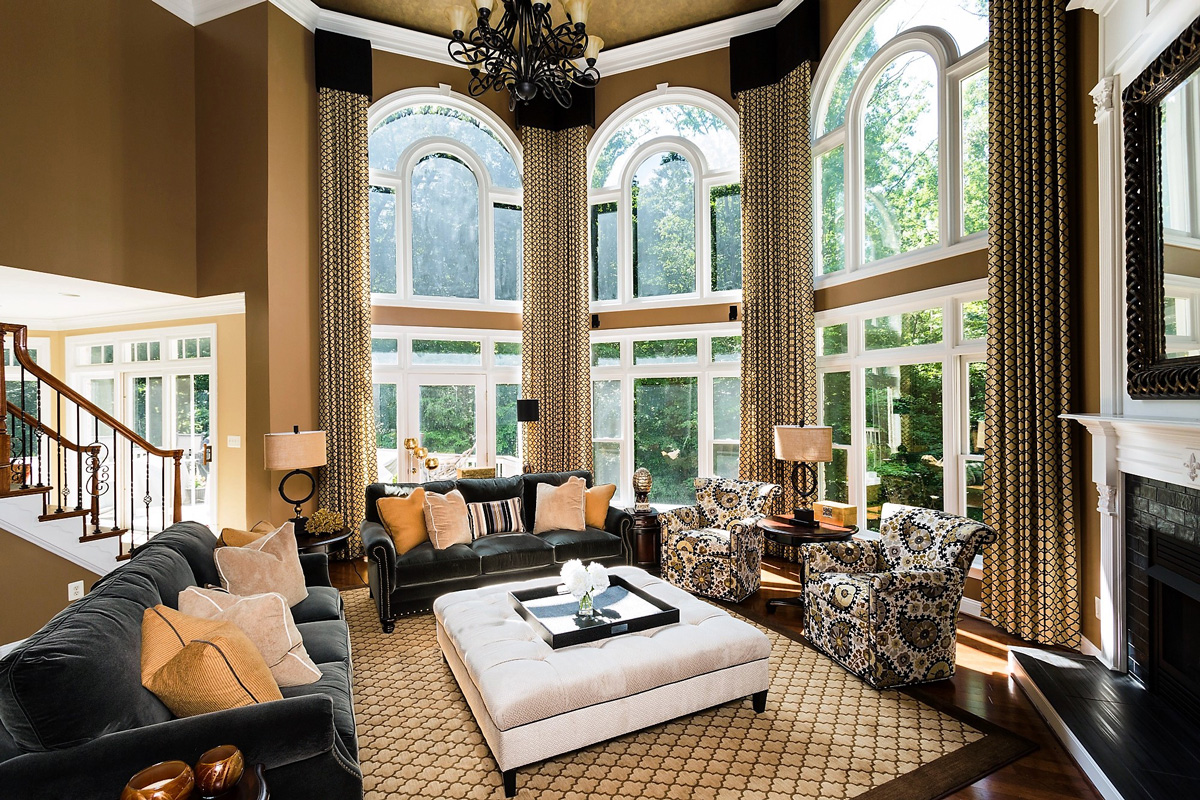
A strong color palette is essential when mixing patterns in interior design. Choose one or two accent colors and repeat them throughout the room to maintain visual unity.
Use the 60-30-10 Color Rule
This timeless interior design rule ensures balance:
- 60% dominant color (walls, large furniture)
- 30% secondary color (upholstery, curtains)
- 10% accent color (pillows, décor, artwork)
This structure helps patterns work together seamlessly.
Incorporate Solid Colors
Solid fabrics provide visual breaks between patterns. Aim for at least 50% solid materials in the space to ground your design and prevent visual overload.
Layering Patterns and Textures for Balance
Add Texture to Enhance Pattern Mixing
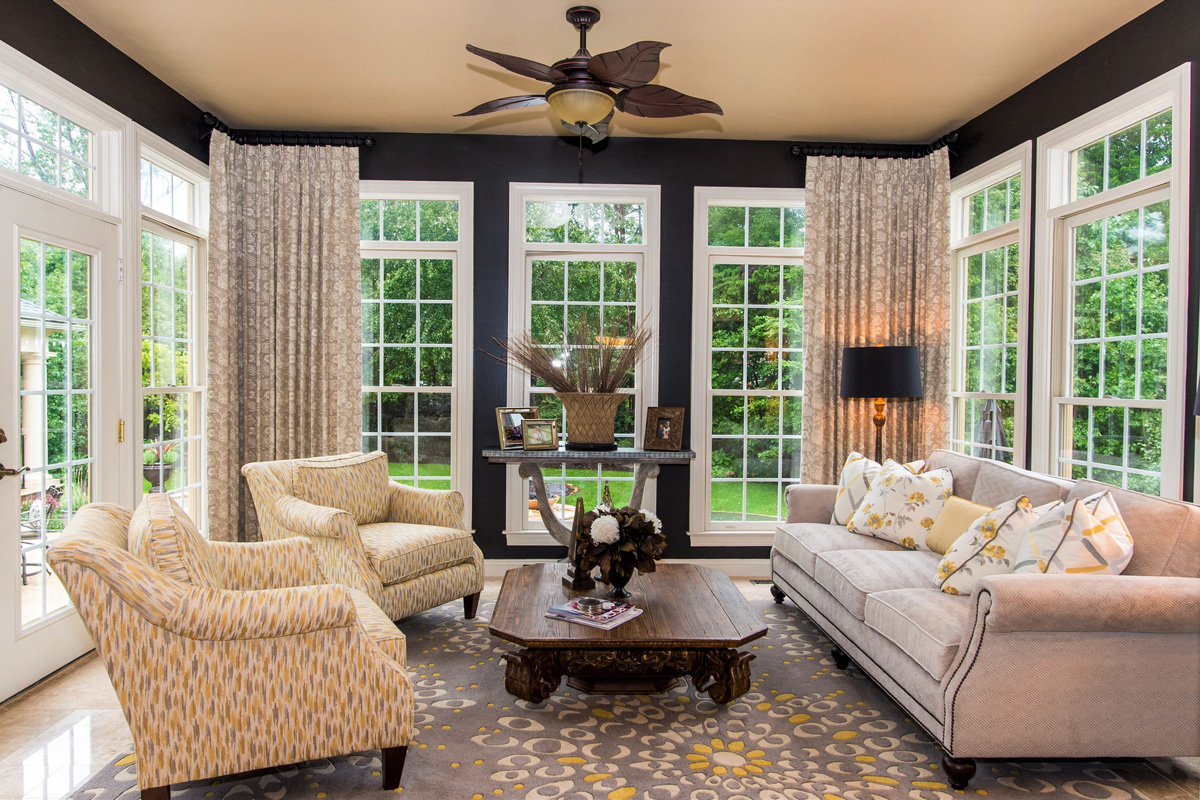
Texture plays a major role in interior design. Even without prints, materials like velvet, linen, wool, wood, and tile contribute to the overall pattern of a room. Texture adds warmth and dimension while supporting your patterned elements.
Layer Patterns Strategically
Layering is key to a polished interior:
- Place a smaller patterned rug over a larger neutral rug
- Mix patterned and solid throw pillows on a sofa
- Combine subtle and bold prints within the same color family
This technique adds richness without clutter.
Edit for a Balanced Interior Design
Good design often comes down to editing. Step back and assess the space. Remove or replace items as needed to create a balanced, intentional, and visually pleasing interior.
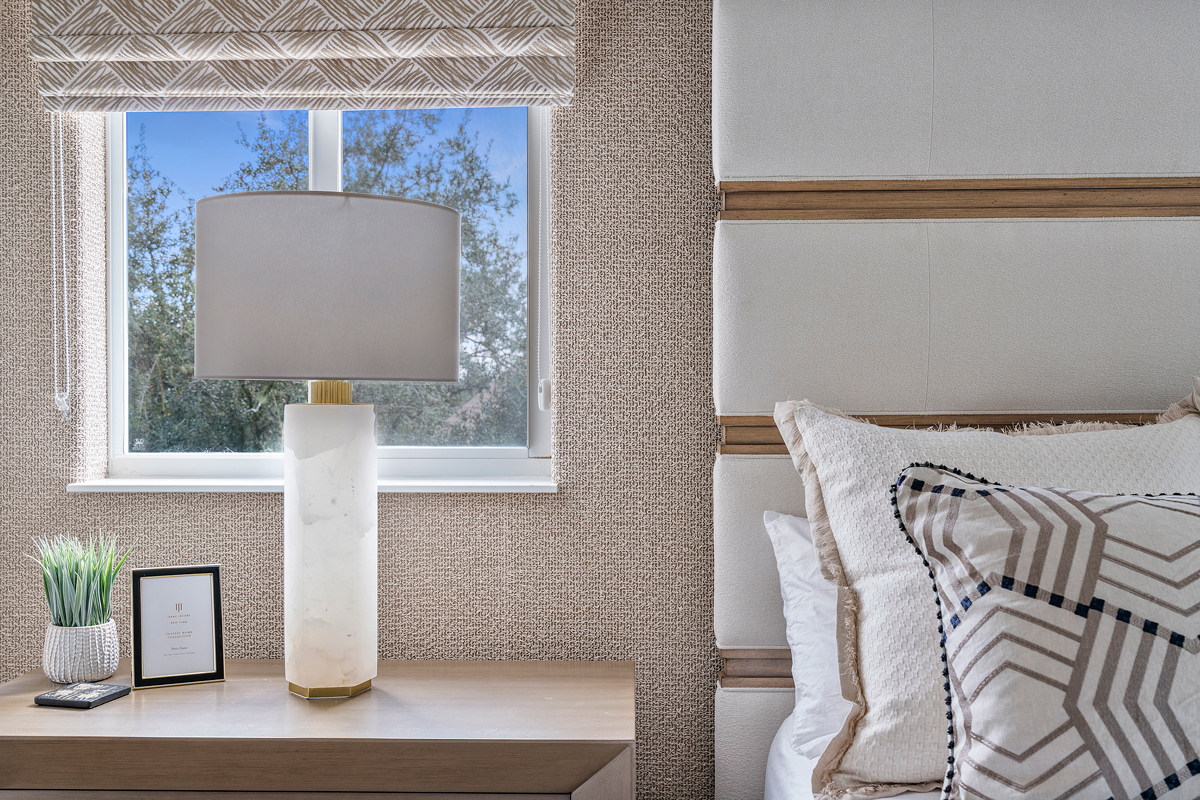
Conclusion: Master the Art of Mixing Patterns in Interior Design
Learning how to mix patterns in interior design allows you to express your personal style while creating a warm and inviting home. By thoughtfully combining colors, scales, textures, and patterns, you can design a space that feels layered, cohesive, and timeless.
Embrace creativity, trust your instincts, and don’t be afraid to experiment. Great interior design is about balance—and confidence.
For more interior design tips, inspiration, and expert advice, stay tuned to our blog. If you’re looking for personalized interior design services, visit
www.casavelasquezinteriors.com